Compound Interest
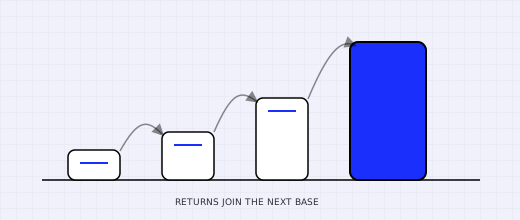
Compound interest is the process by which returns earn returns of their own, so a quantity grows at an accelerating rate over time rather than a constant one.
The idea
With simple growth, a fixed amount is added each period. With compounding, each period’s growth is calculated on the new, larger total, so growth itself grows. Over short periods the difference from linear growth looks small; over long periods it becomes dramatic, since the base keeps expanding. The same shape shows up beyond finance. Skills, relationships, reputation, and knowledge can all compound when each period’s gains build on the last.
When to use it
- Evaluating long-term investments, savings, or debt, where the time horizon matters as much as the rate
- Deciding where to invest effort, such as skills, habits, or relationships, that will keep paying off and building on itself
- Recognizing when a small, consistent edge repeated over time will outperform a larger one-off effort
How to apply it
- Identify what is compounding, such as money, a skill, a habit, a network, or knowledge
- Estimate the rate and time horizon. Compounding needs both to matter
- Protect the base. Avoid actions that reset or shrink what has already accumulated
- Let time do the work rather than accelerating the rate at the cost of the base
Watch out for
- Compounding cuts both ways. Debt, bad habits, and reputational damage compound just as much as good outcomes
- Interrupting the process disproportionately hurts long-horizon compounding. That includes cashing out, breaking a streak, or losing accumulated trust
- Short time horizons make compounding look unimpressive, leading people to underestimate its long-run effect
Related models
- 1000x knowledge. Applies the same compounding logic to learning and expertise
- The one thing. Focusing effort so gains accumulate in one place rather than dispersing
- Deliberate practice. A way skill compounds through repeated, focused effort
Sources
Compound interest is a standard concept in finance; its application beyond money is widely associated with Warren Buffett’s and Charlie Munger’s writing and talks on long-term thinking.